Local Technical Insights & Maintenance Guides

Brighton Water Heater Blog & Knowledge Center

Clear, contractor-grade mechanical advice for homeowners in Brighton, Henderson, and Lochbuie. Learn how our South Platte alluvial water chemistry, high-altitude gas combustion physics, and Adams County plumbing codes impact your domestic hot water system.

Field-Tested Advice
Colorado Code Grounded
Zero AI Marketing Fluff

Recent Plumbing Technical Articles

3 Comprehensive Guides
Adams County Mechanical Reference

Why Local Plumbing Insights Matter for Brighton Homeowners

Water heating across the Colorado Front Range differs significantly from generic national guidelines. Between the 4,984-foot elevation of Historic Downtown Brighton and the heavy calcium carbonate deposits common to the South Platte River basin, water heaters face distinct mechanical stressors. Our knowledge center publishes in-depth technical guides authored by certified local plumbing specialists to help homeowners understand their systems, make informed replacement decisions, and prevent costly emergency basement floodings.

South Platte Water Chemistry

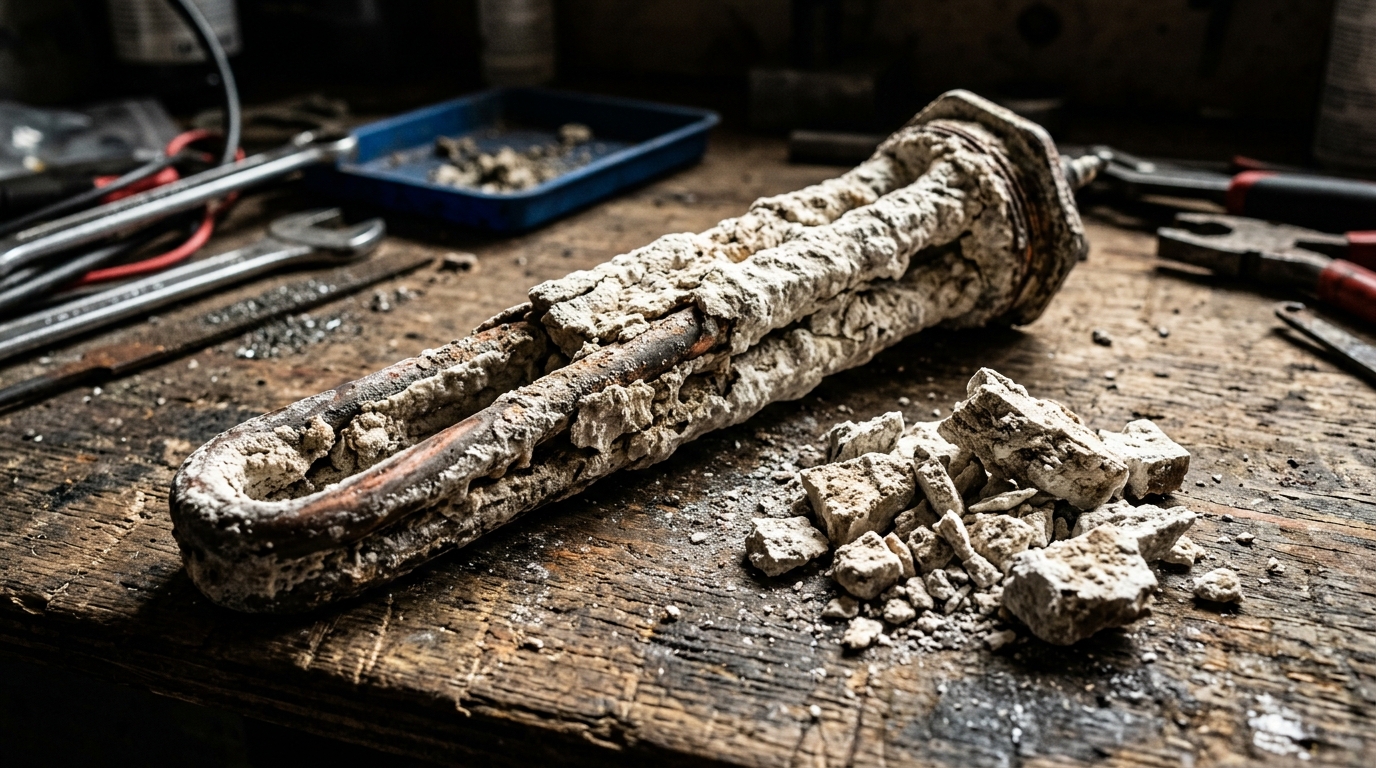
Our tap water registers between 12 and 18 grains per gallon. Learn how regular sediment flushing and timely anode rod replacements protect your tank from premature rust perforations.

Front Range Winter Sizing

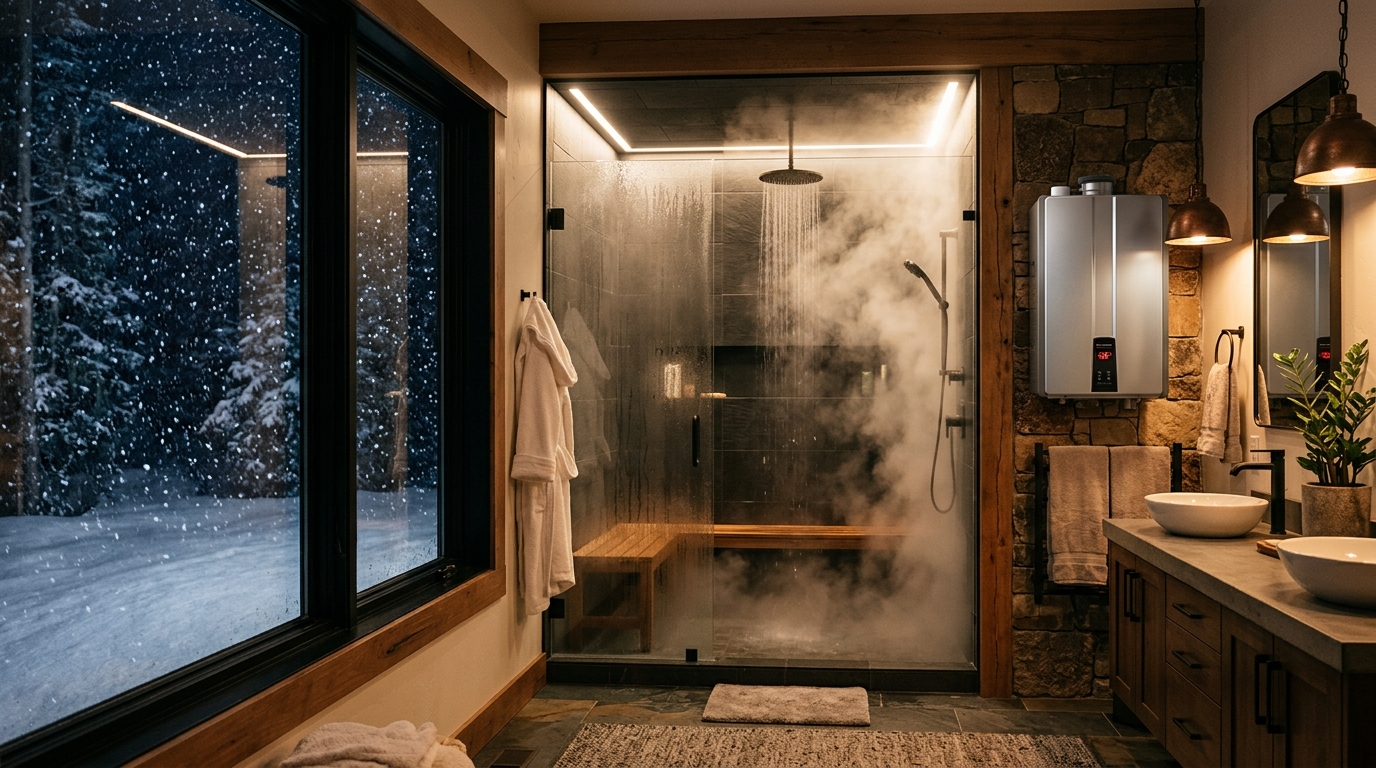
Winter ground water drops to 40°F, requiring an 80°F temperature rise. We examine flow rates, high-altitude gas combustion derating, and practical sizing for tankless water heater upgrades.

Closed-Loop Municipal Code

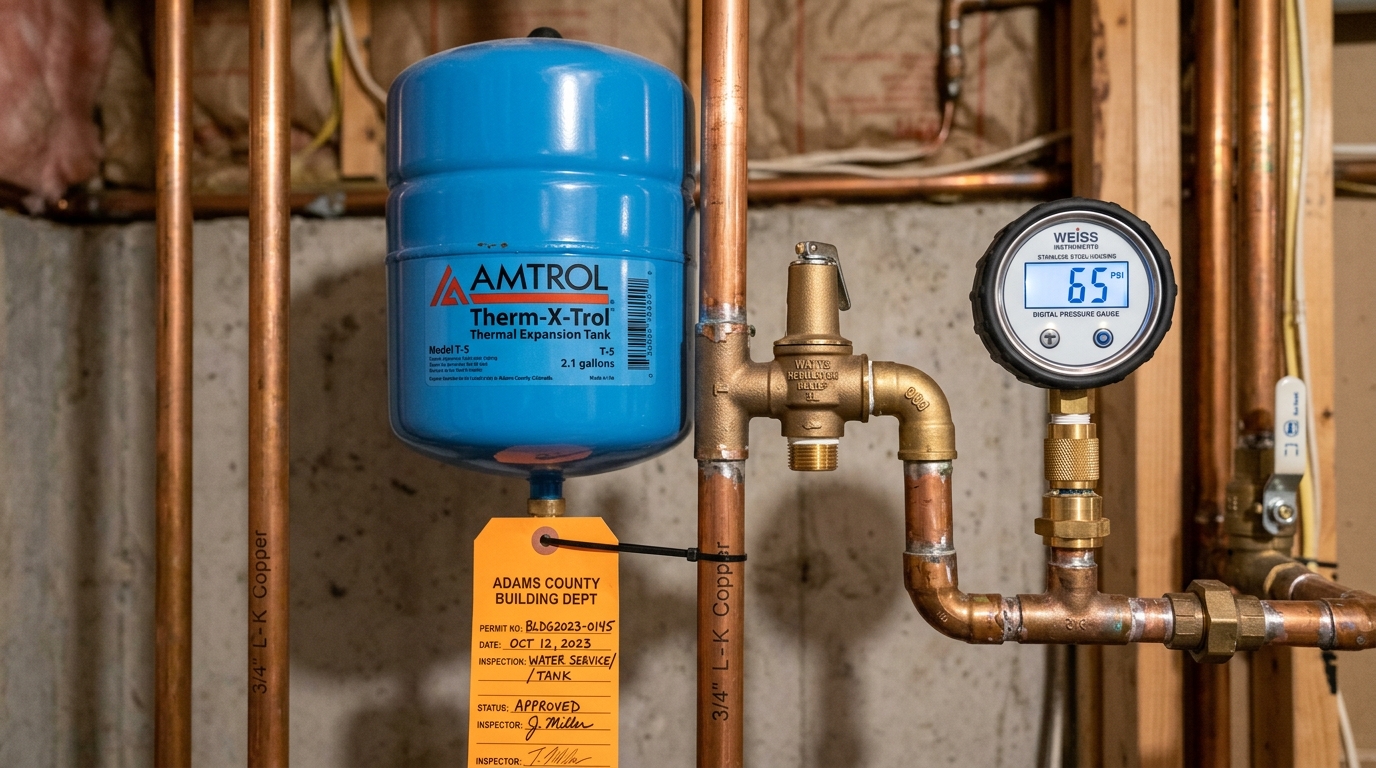
Adams County plumbing codes require thermal expansion tanks on closed-loop municipal systems. Learn how backflow check valves cause destructive pressure surges and how proper sizing prevents tank rupture.

Recommended Adams County Water Heater Maintenance Calendar

Preserving domestic hot water efficiency and avoiding sudden tank ruptures in Brighton requires consistent mechanical oversight. Follow this contractor-recommended schedule:

Frequency Maintenance Task Why It Is Essential in Brighton
Every 30 Days Visual Base & Valve Inspection Check for moisture seepages beneath the drain valve, around burner viewports, and under the relief discharge pipe before minor leaks escalate.
Every 6 Months T&P Relief Valve & Expansion Tank Test Lift the safety lever to clear mineral crusting, and test the thermal expansion tank Schrader valve for internal bladder rupture.
Every 12 Months Full Sediment Flush & Hydro-Purge Extract up to 15 pounds of calcified sand and limestone chunks that accumulate from South Platte River alluvial municipal water.
Every 24 to 36 Months Sacrificial Anode Rod Replacement Inspect the sacrificial magnesium or zinc anode rod. Once the core wire is exposed, the steel tank shell corrodes rapidly.

Frequently Asked Questions About Water Heaters in Brighton

How long do water heaters last in Brighton, Colorado?

Due to high water hardness (12 to 18 grains per gallon) and thermal expansion pressure spikes on closed-loop meters, traditional tank water heaters in Brighton typically last 8 to 11 years without maintenance, compared to national averages of 12 to 15 years. Annual flushing and anode rod care extend service life significantly.

Are plumbing permits required to replace a water heater in the City of Brighton?

Yes. The City of Brighton Community Development Department requires mechanical and plumbing permits for all water heater installations to verify gas line sizing, combustion ventilation safety, and code-mandated thermal expansion tanks.

Can hard water cause my water heater to make loud popping noises?

Yes. That sound is called "kettling." It occurs when water gets trapped beneath a thick layer of calcified sediment at the bottom of the tank, boiling into steam bubbles that collapse violently against cooler water above. A professional power flush removes this scale.

Need Hands-On Equipment Service in Brighton?

Our certified local plumbing technicians provide same-day diagnostics, repairs, and code-compliant installations.

Call +1 303-207-3323